
 staff
staff Keeping your furniture looking its best while also maintaining a healthy home environment begins with routine upholstery care. Clean upholstery helps prevent dust and allergens from circulating in your space. Regular attention also stops stains from setting, keeping your furniture in top condition over time. For information about efficient and reliable upholstery cleaning methods, following safe practices ensures your furnishings last longer and look cleaner.
Your sofa, chairs, and other upholstered pieces deserve regular care to prevent build-up that can harm the fabric and indoor air quality. Understanding care instructions for different upholstery types and using eco-friendly cleaners makes routine maintenance both effective and safe. By promptly responding to spills and knowing when to seek professional help, you can get the most out of your furnishings while enhancing your home’s overall hygiene and appearance.
Besides furniture, it is also important to consider other surfaces that may require special care. Outdoor or exposed masonry may call for services such as brick cleaning to enhance curb appeal and preserve building materials. Regular cleaning routines for all surfaces in and around your home help create a cleaner, more inviting living environment.
Contents
Regular Vacuuming
Dirt and debris accumulate quickly on upholstery, especially in high-traffic households. Weekly vacuuming with an upholstery attachment prevents dust, pet hair, and particulate matter from becoming embedded deep in the fabric. Be sure to vacuum under cushions and in tight seams, as these areas are common traps for crumbs and allergens. According to Homes & Gardens, regular vacuuming prevents gradual wear and improves the overall freshness of your furniture.
Immediate Stain Treatment
Quickly addressing spills is central to stain prevention. As soon as a spill occurs, blot it with a clean, dry cloth to draw out as much liquid as possible. For water-safe fabrics, use a gentle cleanser, such as a diluted dish soap solution, and dab carefully to avoid spreading the stain.
Always test cleaning agents on a hidden spot first to check for colorfastness. Prompt, careful action helps keep upholstery looking new longer and reduces the possibility of permanent marks. More advice on tackling challenging stains is available from the Good Housekeeping Guide on Upholstery Cleaning.
Understanding Fabric Care Codes
Every upholstery fabric has specific care requirements, typically communicated by a code on the manufacturer’s label: W, S, WS, or X. These codes guide you on which substances are safe to use during cleaning:
- W: Water-based cleaners can be used safely on this fabric.
- S: Use only solvent-based cleaners. Water may damage the fabric or leave stains.
- WS: Water-based and solvent-based cleaners are both suitable.
- X: Only vacuum or seek professional cleaning. Do not use household liquids or solvents.
Following these instructions can prevent unintentional damage, saving time and money by avoiding mistakes during DIY cleaning.
Eco-Friendly Cleaning Solutions
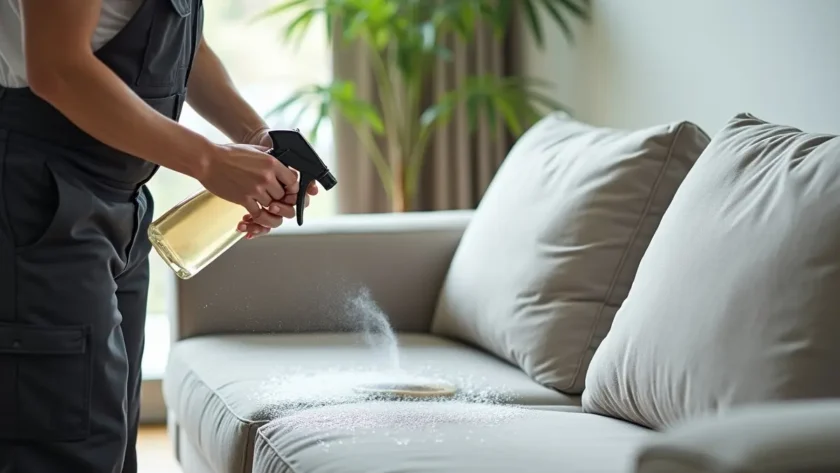
Many households are moving toward environmentally friendly alternatives for regular cleaning. Non-toxic products, such as diluted vinegar or a sprinkle of baking soda, are effective for treating odors and minor stains. These methods reduce exposure to harsh chemicals, creating a safer indoor space, especially for kids and pets. Make sure any solution you use matches the upholstery care code to avoid unnecessary risk.
Baking soda, in particular, can neutralize odors when sprinkled on fabric, left overnight, and vacuumed the next day. Vinegar and water mixtures can gently lift stains, but always mix to the correct proportions and test on a small area first.
Professional Cleaning Services
No matter how careful you are, some situations call for expert help. Deep cleaning performed by professionals can refresh and restore heavily stained or delicate upholstery. Specialists leverage advanced equipment and knowledge to safely treat a range of materials without risking fabric integrity.
Annual or as-needed appointments protect your home investment and support allergy management by removing deeply embedded particles. Regular professional cleaning can also extend the lifespan of your furniture, saving you money over time.
Final Thoughts
Maintaining clean upholstery is essential to preserving the comfort and health of your home. Dust, allergens, and everyday dirt can accumulate on fabric surfaces, making routine care essential. Regular vacuuming helps remove loose debris before it settles deep into the fibers, while addressing spills immediately prevents stubborn stains from forming.
Following manufacturer care instructions and selecting safe, fabric-appropriate cleaning products further protects the quality and color of your furniture. Periodic professional cleaning can also be beneficial, as trained technicians use specialized tools and methods to deep clean delicate materials. Together, these practices help keep your upholstery fresh, attractive, and welcoming for everyone in your home.