
 staff
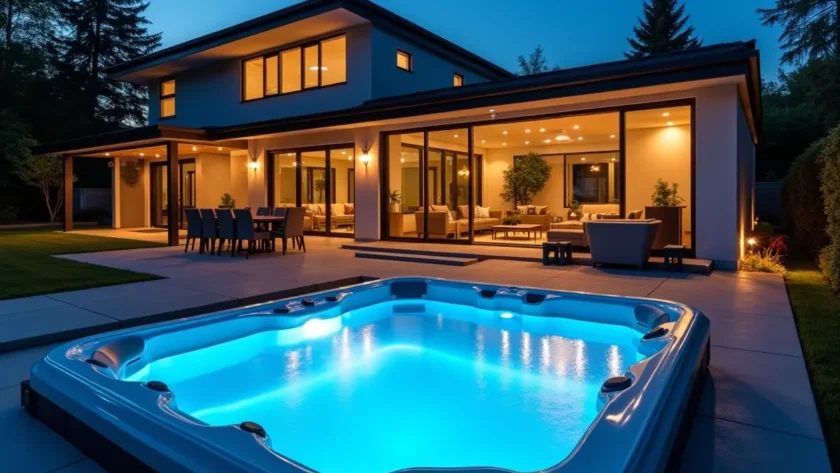
staff A backyard spa can become a relaxing part of an outdoor routine, but a successful installation begins well before delivery day. Reviewing different Hot tubs & Spas can help clarify the available styles, yet the intended location, access route, and maintenance needs should guide the decision first.
The best plan is usually not the largest or most elaborate one. It is the setup that fits the property, supports safe use, remains easy to maintain, and works in every season. Thinking through these details early can prevent expensive changes after the installation is complete.
Start With The Space, Not The Features
Measure the entire area, not just the footprint where the tub will sit. Leave walking room for bathers, steps, a cover lift if used, and access to equipment panels. Consider the route from the house, nearby windows, wind direction, shade, falling leaves, and how rainwater moves across the yard.
A location close to an exterior door can make cold-weather use more convenient, while a garden corner may feel quieter and more private. Before committing, stand in the proposed spot at different times of day to see how sunlight, noise, visibility, and weather affect it.
Check The Foundation And Drainage
A filled spa is extremely heavy, so its surface must be level, stable, and capable of bearing the load. Reinforced concrete is a common choice, while a qualified professional should assess an existing deck or raised platform before it carries a filled tub and occupants.
Outdoor water features often share planning concerns with Swimming Pools, especially regarding drainage, safe circulation around wet surfaces, and clear equipment access. Direct splash water and runoff away from the home, avoid soft soil or steep grades, and identify any area that collects standing water after a storm.
Plan Access And Service Space
Delivery is one of the most overlooked parts of the project. Measure gates, side yards, fences, corners, steps, tree branches, and overhead utility lines. A space may appear large enough once the tub is in place, but a narrow gate or sharp turn can make getting it there difficult.
Also, preserve room around the equipment side for future inspections and repairs. Permanent fencing, planters, or built-in benches should not box in pumps, filters, drains, and control components. Service access may not be exciting to plan, but it can save considerable disruption later.
Review Rules And Electrical Safety
Requirements vary by city, county, state, property type, and installation method. Check permit rules, homeowners association restrictions, barrier requirements, setbacks, drainage rules, and any local limits on structures or electrical work before construction begins.
Electrical connections should be completed by a licensed professional who understands the applicable code requirements for outdoor spas, grounding, and the placement of disconnects. Current pool, spa, and hot tub code work is also a useful reminder that model standards evolve, while local authorities determine what applies to a specific property.
Choose A Layout That Fits Daily Life
Think about how the area will be used on an ordinary evening, not only when guests visit. A near-home layout shortens the walk from indoors. A deck-adjacent layout can connect the spa to seating and dining. A garden setting may create more separation, while a covered location can offer weather protection if it still has adequate ventilation.
Details That Improve Everyday Use
- Add slip-resistant steps and a secure handrail where needed.
- Use low-glare lighting for the path, entry, and controls.
- Keep towels, robes, and cleaning supplies nearby but protected from the weather.
- Maintain a clear walking path that does not cross muddy planting beds or uneven ground.
Create Privacy Without Blocking Airflow
Privacy can come from fencing, trellises, screens, curtains, shrubs, or layered planting. The goal is to block unwanted sightlines without trapping moisture, restricting airflow, or preventing access to the cabinet. A partly open screen often provides more flexibility than a fully enclosed structure.
Choose plants carefully. Dense trees and shrubs may look appealing, but leaves, needles, blossoms, and berries can increase cleaning work. Ask whether a screen will still allow the area to dry after rain and whether it leaves enough room for cover operation and maintenance.
Create A Simple Water-Care Routine
Clean water depends on consistent attention rather than occasional guesswork. Test water regularly, maintain sanitizer and pH within the product instructions, remove debris, and clean filters on schedule. The CDC notes that proper disinfectant and pH levels help reduce the spread of germs in hot tubs, including bacteria that can be inhaled in mist. Properly maintaining hot tubs with correct disinfectant and pH levels is an important health consideration for every owner.
- Test water before regular use and after heavy use.
- Adjust sanitizer and pH according to the manufacturer’s directions.
- Skim debris and wipe the waterline as needed.
- Rinse or clean filters on a regular schedule.
- Drain and refill the tub when recommended for the model and usage level.
Reduce Heat Loss And Running Costs
Energy use depends on climate, electricity rates, water temperature, insulation, cover condition, wind exposure, and how often the spa is used. Instead of relying on a fixed cost estimate, focus on reducing unnecessary heat loss. A fitted cover, intact seals, clean filters, and a location protected from strong winds can all support more efficient operation.
Avoid Common Planning Mistakes
- Choosing a location before measuring the delivery route.
- Placing the tub on an unverified deck or uneven surface.
- Ignoring drainage and wet-weather conditions.
- Blocking the equipment side with permanent landscaping or structures.
- Skipping permit, electrical, or barrier research.
- Underestimating the time required for regular water care.
Use A Final Pre-Installation Checklist
Before delivery or construction begins, confirm that the location is measured, the base is level and properly supported, drainage is planned, the delivery path is clear, and a qualified professional has reviewed electrical work. Check local rules, leave service clearance, plan lighting and steps, and gather basic maintenance supplies in advance.
Careful preparation creates a backyard hot tub area that is more comfortable, safer to use, and easier to maintain. A few practical checks before installation can help the finished space fit naturally into daily life for years to come.
Conclusion
A successful backyard spa installation depends on more than choosing the right tub. Careful planning of the location, foundation, drainage, delivery access, electrical requirements, privacy, and service clearance can prevent costly problems later.
Homeowners should also consider daily water care, energy use, lighting, and safe pathways before installation begins. By focusing on practical needs rather than unnecessary features, a spa can become a comfortable, efficient, and easy-to-maintain part of the outdoor living space year-round.