
 staff
staff Undertaking a kitchen renovation is a significant step that can redefine both the functionality and visual appeal of your home. To ensure your project is a success, it is crucial to plan every aspect and make well-informed decisions carefully. Early in the process, selecting new cabinets can be a game-changer, as they form the core structure of an updated kitchen and heavily influence workflow and storage capabilities.
Whether you are looking to enhance day-to-day living or raise your property’s value before selling, a strong foundation of knowledge makes all the difference.
With so many options available, from finishes and layouts to hardware and appliances, narrowing down your best choices can feel daunting. Consider not only what’s trending, but also what will stand the test of time in terms of style and durability. Planning thoroughly now prevents regrets and ensures long-term satisfaction with your remodeling investment.
As you explore these decisions, it is also important to evaluate your available space and understand the practical implications of your selections. Quality materials and thoughtful design will help future-proof your kitchen, creating a welcoming environment for years to come. Taking the time to weigh the pros and cons of each option will safeguard your investment and satisfaction.
Additionally, while focusing on aesthetic updates like cabinetry, do not overlook upgrading your countertops. Quality countertops withstand daily wear and provide the durable, attractive surfaces necessary for meal prep and entertaining.
Establish a Realistic Budget
Before beginning your kitchen renovation, it is important to set a budget that aligns with your financial situation and expected outcomes. According to Forbes, the average minor kitchen remodel costs around $28,000, while extensive, upscale renovations can cost much more.
Establishing a clear ceiling for expenses will guide your decision-making and help avoid overspending or financial surprises mid-project. Break down your anticipated costs for each element, such as labor, materials, appliances, and finishes, and plan for a contingency fund to address any unforeseen issues.
Prioritize High-Impact Upgrades
Direct your renovation budget toward areas that deliver the greatest return on investment and daily satisfaction. New cabinetry, sturdy countertops, and updated appliances are essentials that instantly modernize a space.
For cabinetry, opt for solid wood or high-quality finishes that ensure longevity. Countertops made from stone, engineered quartz, or other durable surfaces balance function with designer appeal. Incorporating energy-efficient appliances offers long-term savings and meets the expectations of today’s eco-conscious homeowners.
Optimize Kitchen Layout and Storage
The kitchen layout significantly impacts workflow and convenience. Aim to form an efficient “work triangle” between the stove, refrigerator, and sink to minimize unnecessary movement while cooking. Consider ergonomic enhancements like pull-out pantry shelves, vertical dividers, and hidden compartments to maximize every inch of available space. If the room permits, adding an island increases both storage and seating, promoting multipurpose use for meal prep and socializing.
Choose Timeless Designs
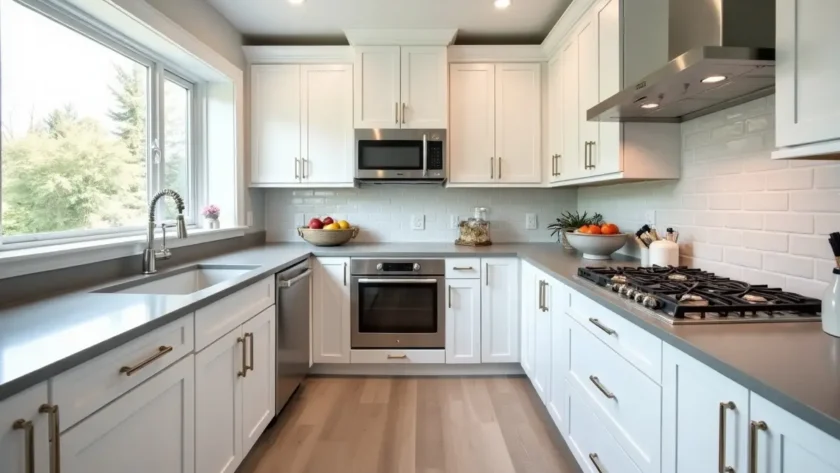
While contemporary trends may be tempting, classic choices endure and generally have broader appeal if you ever decide to sell your home. Neutral color palettes, simple cabinet profiles, and natural materials like stone and wood never go out of style. By avoiding overly personalized features or flashy colors, you create a welcoming atmosphere that fits a range of design tastes now and in the future.
Incorporate Sustainable Practices
Eco-friendly remodeling can save money in the long term and support responsible building practices. Select appliances that meet the latest Energy Star ratings to lower your electricity and water consumption. Flooring and countertop materials made from recycled or sustainable sources, such as bamboo or recycled glass, offer both durability and environmental benefits.
Make disposal plans for old materials through donation or recycling programs to reduce landfill impact, as recommended by the U.S. Environmental Protection Agency.
Plan for Adequate Lighting
Integrating multiple lighting layers ensures your kitchen is bright, inviting, and practical. Combine ambient lighting (such as recessed ceiling fixtures) with targeted task lighting above sinks and prep spaces. Accent lighting, like pendant lights over an island or under-cabinet options, can add warmth and highlight architectural features, enhancing both ambiance and functionality in daily use.
Avoid Common Pitfalls
Many costly renovation errors stem from poor planning or cutting corners. Avoid over-customizing your finishes, as highly personalized choices may reduce your home’s resale prospects. Make efficient layout and traffic flow a top priority.
Also, do not compromise on material or installation quality, as inferior choices could lead to costly repairs soon after project completion. Consulting reputable resources, such as Architectural Digest, can inspire and help steer clear of these mistakes.
Consult Professionals
Working with qualified designers and contractors can streamline your project, uncover valuable insights, and ensure that your renovation aligns with local building codes. Professionals offer creative solutions, assist with material selection, and manage installation for a polished result. Look for verified reviews or industry credentials to go forward with confidence that your project will be completed to a high standard.
Careful planning across each of these points will yield a kitchen that suits your needs and offers enduring value for your home. By focusing on functionality, timeless style, smart investments, and expert guidance, you will create a welcoming space that enriches daily life and stands the test of time.