
 staff
staff Protecting your home starts at the top. The right roof ensures security, boosts curb appeal, and plays a key role in energy efficiency. Homeowners face a variety of decisions, from choosing materials to selecting the right contractor, all while keeping budget and longevity in mind. When you are considering a new roof, researching reliable residential roofing options that suit your needs and your local environment is essential.
The process can be overwhelming, but careful planning can help you confidently decide what will protect your home for years. In this guide, you will find the most important steps for ensuring your roofing choice is an investment in both comfort and lasting value.
Whether it is harsh summers, strong storms, or cold winters, each aspect of your location plays a part in the roofing materials and designs that will work best. Evaluating both these environmental conditions and your home’s architectural requirements up front will guide you to the right solution.
For homeowners who are dealing with damage or sudden issues, timely roof repair is crucial. Proper repair and ongoing maintenance help extend the life of your roof and prevent costly issues down the road.
Assess Your Home’s Specific Needs
Every home is unique, and so are its roofing requirements. Start by looking at the architectural style of your house. Certain roofing materials complement specific styles, such as clay tiles for Mediterranean homes or asphalt shingles for traditional suburban houses. Assess the existing structure of older homes; they may need reinforcement if you plan to switch to heavier materials. Think about ventilation, insulation, and roof pitch, as these affect which materials and designs will work.
Consider Climate and Environmental Factors
Your local climate should drive most decisions about roofing. In regions where hail or heavy snowfall is common, choose materials that offer exceptional durability and load resistance. If you live in a hot, sunny climate, reflective roofing options can help reduce cooling costs. Areas prone to high winds or hurricanes may require specific fastening systems and highly rated shingles. For more about how weather and climate affect home improvements, see this New York Times feature.
Explore Roofing Material Options
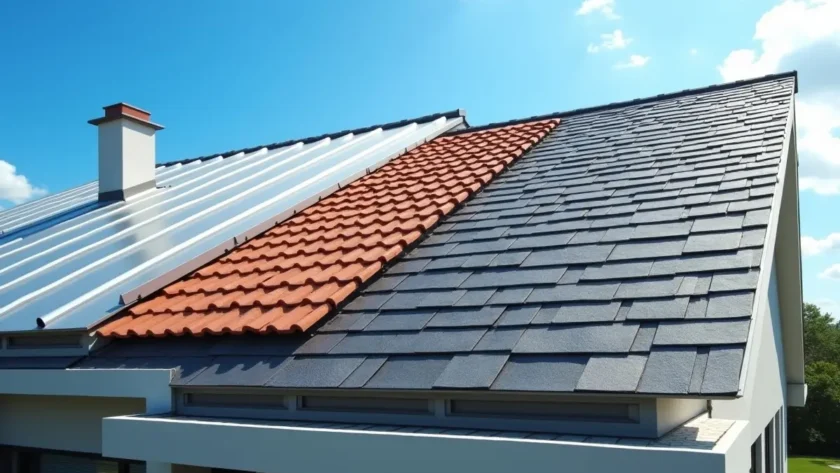
The range of available roofing materials is wider than ever, each with its pros and cons. Here are the most popular choices:
- Asphalt Shingles. These are affordable and easy to install. While they offer solid protection and good curb appeal, they tend to have a shorter lifespan compared to premium options.
- Metal Roofing. Known for their longevity and resistance to severe weather, metal roofs have become popular in both residential and commercial applications. Their energy efficiency can result in long-term savings.
- Clay or Concrete Tiles. These provide unmatched durability and aesthetics, enhancing the visual appeal of homes with suitable architecture. However, they are significantly heavier and often require structural adjustments.
- Wood Shakes and Shingles. Sought after for their natural look, they do require more maintenance and may not be suitable in wildfire-prone regions.
- Synthetic Roofing. Materials like rubber, plastic, or polymer can mimic other material textures, offering lightweight and often more affordable alternatives that still provide durability.
For a deeper comparison, consult the Consumer Reports roofing guide to weigh all your options carefully.
Budgeting and Cost Considerations
Set a clear budget early on, factoring in not only the price of the materials but also the cost of labor. Quality installation is just as important as the products themselves, affecting both performance and lifespan. Remember to budget for potential hidden expenses such as permits, removal of old roofing, and repairs to underlying structures. Choosing higher-quality materials may cost more upfront, but can result in fewer repairs and a much longer roof life.
Selecting a Qualified Roofing Contractor
The right contractor ensures a smooth process and a lasting result. Seek recommendations from neighbors, consult online reviews, and check for industry credentials. Ask for proof of insurance, licensing, and written estimates. A trustworthy contractor will provide a clear project timeline, warranty details, and reference projects.
Understanding Warranties and Maintenance
Roof warranties generally cover materials and workmanship separately. Manufacturer warranties protect against defects, while labor warranties address errors during installation. Ask for specifics about coverage periods and what actions may void your warranty. Extend the life of your roof with periodic maintenance, such as clearing gutters, checking for damaged shingles, and addressing leaks immediately.
Energy Efficiency and Sustainability
Modern roofing solutions can improve your home’s energy performance. Cool roofing materials and reflective coatings reduce solar heat absorption, keeping your home cooler in hot weather. Environmentally conscious homeowners might consider green roofing, living roofs, or solar shingles for both ecological and energy-saving benefits. The U.S. Department of Energy provides more information about eco-friendly options that help reduce utility costs and environmental impact.
Final Thoughts
Choosing the right roof involves balancing your home’s characteristics, your local climate, and your personal preferences. Investing in quality materials and professional installation will deliver comfort, curb appeal, and peace of mind. Take the time to research, gather estimates, and weigh long-term benefits, so your roof becomes a wise investment that protects your home for many years to come.